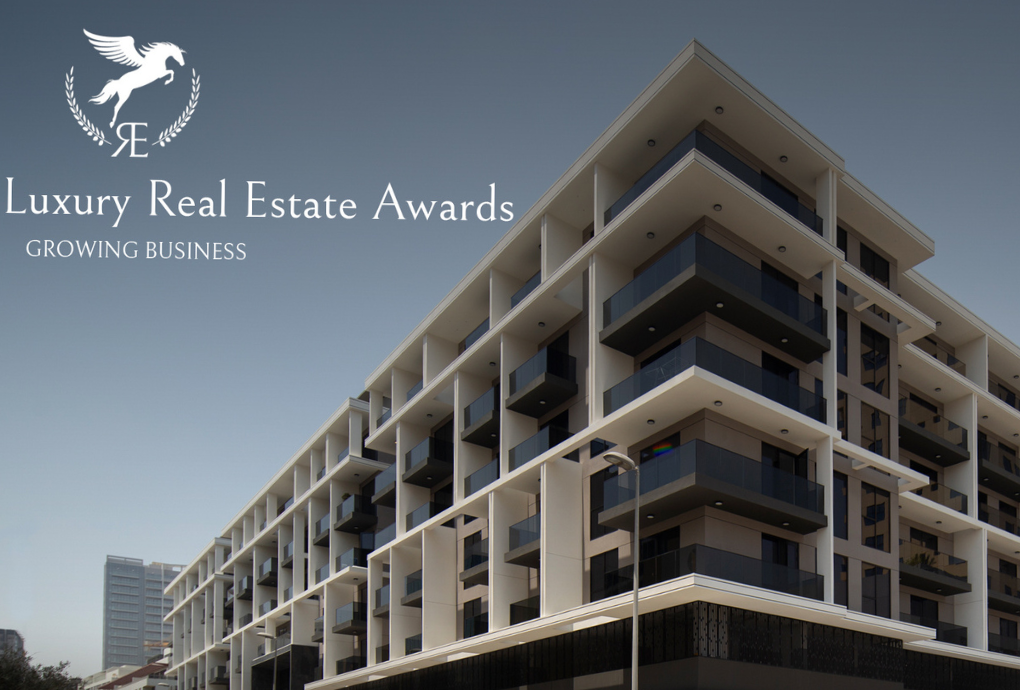
Aurora Shortlisted for Luxury Real Estate Award Nomination
June 29, 2026
Aurora Real Estate Development has been officially shortlisted as a nominee for the prestigious Luxury Real Estate Awards, marking...
Learn more
Real estate development is no longer defined simply by the ability to acquire land, design a project, and bring it to market. As developments become more sophisticated and market expectations continue to rise, successful delivery increasingly depends on how effectively different disciplines work together from the earliest stages of a project.
This is where integrated project delivery can create a significant advantage.
Rather than treating development, design, engineering, construction and post-completion services as disconnected stages, an integrated approach brings these capabilities together around a common objective: delivering a better-performing development with greater control over quality, cost, time and execution.
For Aurora Real Estate Development, this approach is embedded in the way the business operates. Founded in 2013 as part of ECC Group, Aurora has built its development platform around technical expertise, disciplined execution and an understanding of the complete development lifecycle. Today, Aurora has delivered more than 1 million sq. ft. of residential development across five completed projects, with a further 774,774 sq. ft. in developments under way.
Moving Beyond a Traditional Development Model
In a conventional development model, a project can involve numerous independent parties, with information passing from developer to consultant, contractor, specialist subcontractor and supplier. While this structure can work, every transition introduces opportunities for communication gaps, delays, design conflicts or decisions being made without a complete understanding of their downstream impact.
Integrated project delivery approaches this differently.
The objective is to create stronger connections between the different disciplines involved in a development, allowing technical, commercial and operational considerations to be addressed together rather than sequentially.
For a developer, this can mean greater visibility into constructability and costs during design. For project teams, it can mean faster coordination and fewer interfaces between disciplines. And ultimately, for the end user, it can translate into better-built, more functional and more efficiently delivered spaces.
Aurora’s Integrated Approach
Aurora’s own development framework reflects this philosophy. Its expertise spans development feasibility and analysis, design development and review, project management and execution, leasing and sales process management, and asset management. The company describes these capabilities as an integrated delivery framework that can be applied across the project lifecycle.
This creates an important connection between the commercial and technical sides of development.
A project’s feasibility is not considered independently from its technical requirements. Design decisions can be assessed against execution considerations. Project management remains connected to the original development objectives. And the eventual customer experience can remain part of the conversation throughout the process.
This integrated perspective helps Aurora make decisions with the complete development lifecycle in mind rather than viewing each stage in isolation.
The Advantage of Being Part of ECC Group
Aurora’s position within ECC Group further strengthens this model.
ECC Group brings together specialised businesses spanning engineering and construction, MEP, fit-out and joinery, metal fabrication, engineered building materials, facilities management and prefabricated construction. The Group describes its approach as combining these capabilities to provide integrated project delivery solutions, supported by value engineering, Design & Build capabilities, Lean delivery methods and BIM.
For Aurora, this ecosystem provides access to specialist knowledge that can be brought into development decisions earlier.
Engineering considerations can inform planning and design. MEP requirements can be coordinated with the broader building design. Fit-out and joinery expertise can contribute to decisions affecting interior quality and execution. Manufacturing and material capabilities can support procurement and construction requirements.
The result is not simply a collection of companies working on the same project. It is an ecosystem in which different areas of expertise can contribute to the development process.
From Collaboration to Better Execution
One of the most significant benefits of integration is the ability to identify challenges earlier.
A design may look efficient on paper but present challenges during construction. A material selection may meet aesthetic requirements but create procurement or installation constraints. An architectural decision may affect MEP coordination or project cost.
When these considerations are addressed independently, issues can emerge later in the project when changes become more expensive and disruptive.
An integrated approach creates opportunities to address these questions earlier.
ECC Group’s emphasis on value engineering, BIM and Lean delivery supports this process by bringing greater focus to constructability, coordination, efficiency and waste reduction. The Group also holds BSI BIM Design and Construction Kitemark certification and ISO 18404:2015 Lean and Six Sigma certification, reflecting its broader focus on structured and technology-enabled project delivery.
For Aurora, these capabilities complement its role as a developer by strengthening the connection between what is planned and what is ultimately delivered.
H Three by Aurora: Integration in Practice
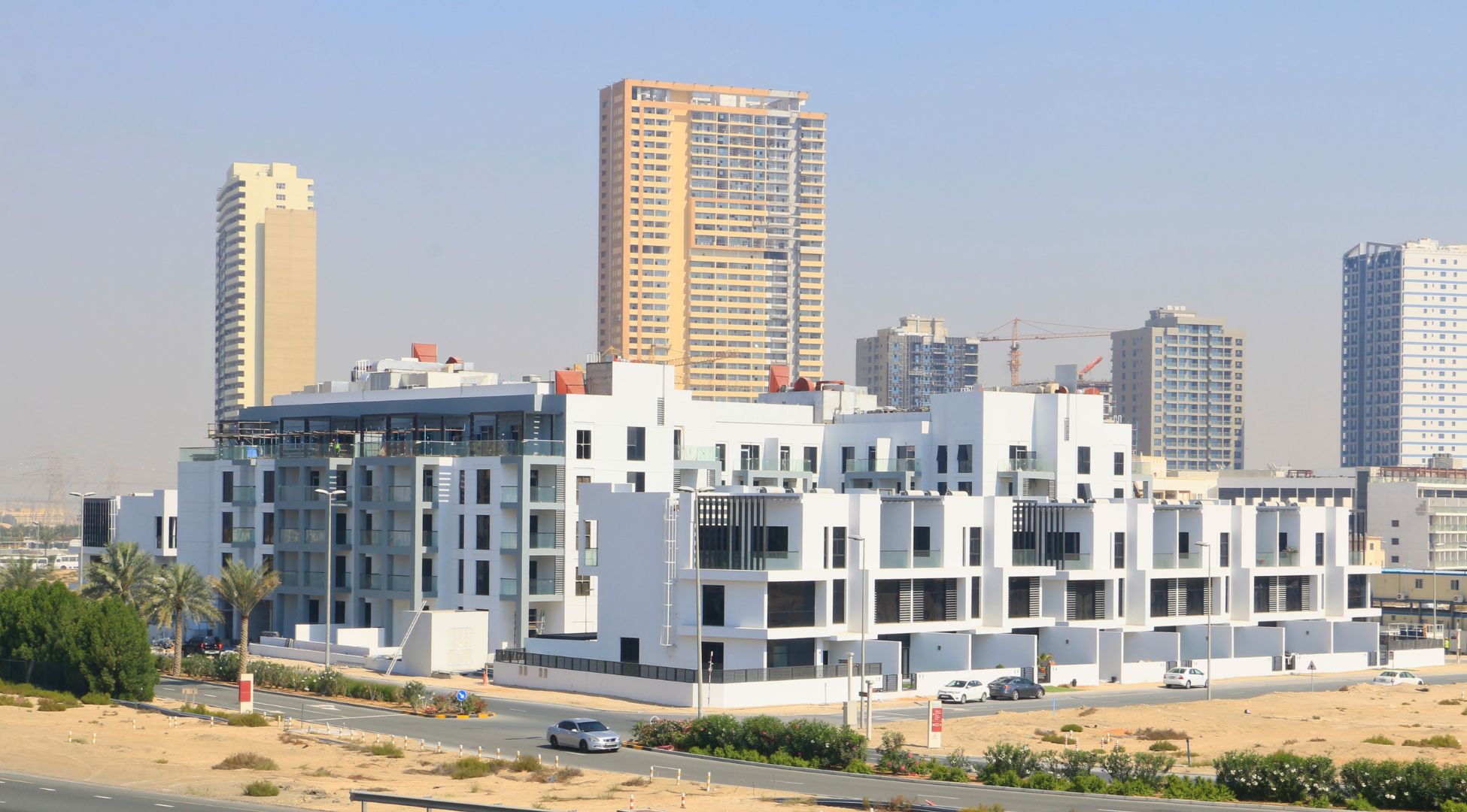
Aurora’s recently delivered H Three by Aurora provides a current example of how an integrated group structure can support the delivery of a complex residential development. Located on a single plot, the mid-rise development comprises 145 residential units across ground plus five levels, with podium parking and two retail spaces at ground level. The residential mix includes studios, one-, two- and three-bedroom apartments.
The development brings together residential, retail and lifestyle elements within a cohesive environment. Landscaped surroundings, water features and an integrated outdoor sound system contribute to the overall resident experience, while a 10.9-metre-high triple-height lobby creates a hotel-inspired arrival space. Communal amenities include indoor and outdoor gyms, a jacuzzi, a dedicated children’s play area and a 23.2 x 5.5-metre swimming pool.
The project demonstrates how Aurora can leverage the specialist capabilities available across the wider ECC Group ecosystem. By connecting construction, engineering, MEP, metal works, fit-out and other specialist disciplines within an established group structure, Aurora can coordinate multiple project requirements through a more integrated delivery approach.
H Three by Aurora therefore reflects how group-wide capabilities can translate into a practical project advantage, bringing together technical expertise and specialist execution to deliver a cohesive residential experience.
Why Integration Matters for the Future of Real Estate
As the UAE’s real estate sector continues to mature, developers are increasingly competing not only on location and price, but also on design quality, delivery timelines, construction standards and the overall customer experience.
This makes execution increasingly important.
Integrated project delivery provides developers with a way to bring greater control and coordination into this process. It allows decisions to be evaluated from multiple perspectives, reduces the distance between development strategy and construction execution, and creates opportunities to improve efficiency before challenges reach the site.
For Aurora, this approach is supported by both its own end-to-end development expertise and the wider capabilities available through ECC Group.
The company’s development model demonstrates that integration does not necessarily mean every function must sit within one business. Rather, it is about creating a connected framework in which the right expertise is brought together at the right time.
Ultimately, the value of integrated project delivery lies in one fundamental principle: better-connected decisions can lead to better-built developments.
For developers operating in a competitive and increasingly sophisticated market such as the UAE, that connection can be a meaningful differentiator—not only in how efficiently a project is delivered, but in the long-term value it creates for investors, occupants and communities.
June 29, 2026
Aurora Real Estate Development has been officially shortlisted as a nominee for the prestigious Luxury Real Estate Awards, marking...
Learn more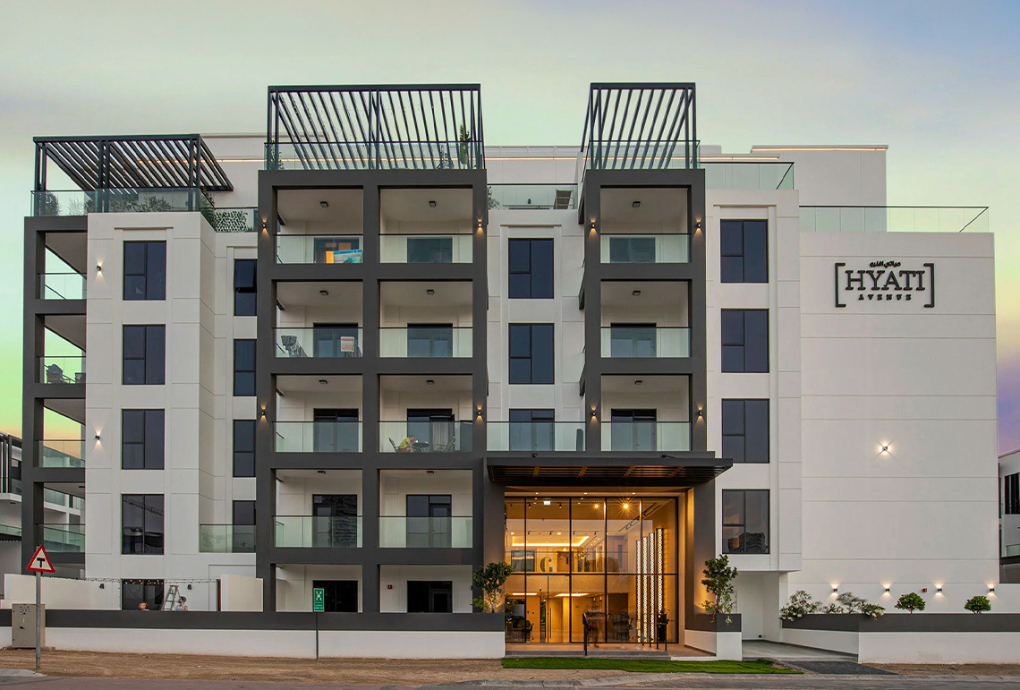
May 22, 2026
At Aurora, success is not defined by the scale of a project, but by the quality of the...
Learn more